|
 |
 |
 |
 |
|
 |
||
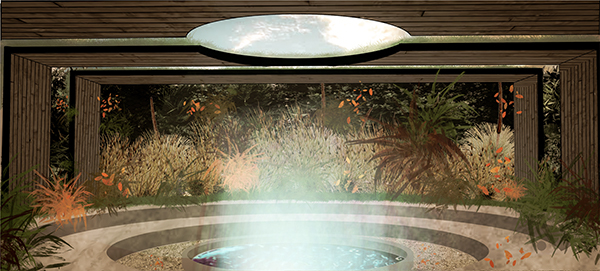
DJEEMBANA - Shane Hunt, Jorge Arreola
|
||
MASTER OF DESIGN INNOVATION AND TECHNOLOGY STUDIO 2020
IMMERSION ross mcleod + lawrence harvey By focusing on the physical and perceptual quality of the senses and the phenomenological aspects of space, the studio considered how Melbourne Museum's collection can be brought to life through sensorially immersive experiences. Exploring ideas of content, curation and context, the studio explored how an idea is contained. Students attempted to construct a point of view that communicated with the museum audience and engaged with their empathy as they interacted with the collection.
FIRST IMPRESSIONS The studio began with the students embarking on a personal journey into an understanding of sensorial experiences. They were asked to engage with their sensorial faculties as well as study theorists, designers and artists who have developed their practices around phenomenological concerns. Specifically, they investigated examples of architectural spaces, immersive art installations and museum exhibitions by engaging in three different typologies of knowing: academic critique, artist statements on existing work and having actual experiences in a space.
 SECOND IMPRESSION - Hansika Kumar Mangwani
SECOND IMPRESSIONS In considering the themes and approaches that were present in these precedent studies the students were asked to communicate a unified and clearly understandable collection of ideas through the presentation of a visual essay that used text and images to convey both meaning and emotion. Looking for a ‘curatorial thread’ that binds the examples together they were asked to consider what are the intellectual, sensorial, psychological, and technological concepts brought together through their study. They were asked to undertake this task through the medium of design and order their knowledge into a compelling image and text composition.
INTERROGATING THE SENSES At this point the students were assigned one of the four senses (sight, sound, smell, touch) as topic areas on which to conduct academic and design research into this sense. In doing this they needed to understand the following: How does the brain process stimuli and how does that stimuli effects cognitive and emotive responses; What is the science and technology around the capturing and propagation of sensual stimuli; What are the delivery systems used to create visual, sonic, olfactory, and haptic experiences. With this knowledge the students produced a small demonstration that uncovered an emotive quality of the senses.
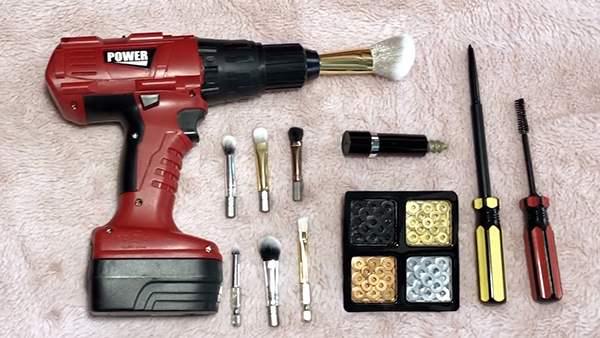 MUSEUM OF SELF - Victoria Terribile
THE MUSEUM of EVERYDAY OBJECTS As a way of exercising their developing understanding of the senses and the nature of immersive museum environments, the students were asked to develop a small ‘personal’ museum. In investigating a ‘typology’ of everyday objects the students explored how to contextualise an understanding of common objects through their relationship with other objects, their container and surroundings or other relevant information. In doing this they considered the physical, historical, cultural, social, technological, and scientific aspects of the object. As they were investigating the nature of the everyday, which many people share familiarity and empathy, they were asked to engage personal and cultural memory through the curatorial process. Ultimately the museum needed to manifest an informative and specific understanding of the things on display while engendering a deeply personal connection to the object. 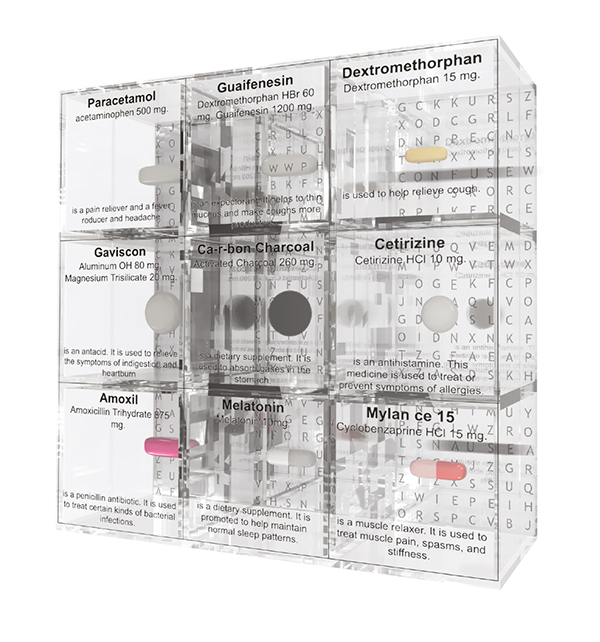 MUSEUM OF EVERYDAY OBJECTS - Hatairat Jampanant
PODS (PHYSICAL AND ONLINE DISPLAY SYSTEM) The final brief sought proposals for an immersive and interactive 'pod', sited in the plaza forecourt of the Melbourne Museum, and a corresponding online portal. These immersive and interactive experiences were intended to heighten the audiences’ appreciation of the cultural significance of a single selected object from the Melbourne Museum’s History and Technology collection. In doing this the students referenced a guest lecture by Professor Andrea Witcomb, entitled ‘Pedagogies of Feeling’, which highlighted the relationships of walking, looking, reading, listening, and feeling in creating a space that engenders empathy in the audience. Ultimately the design brief called for:
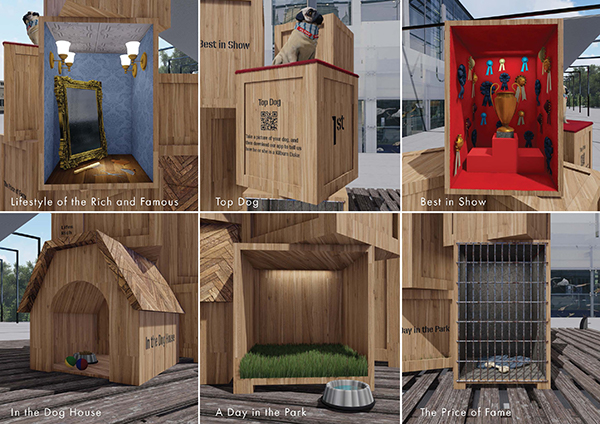
KILBURN DUKE - Victoria Terribile, Diego Garetto Morande
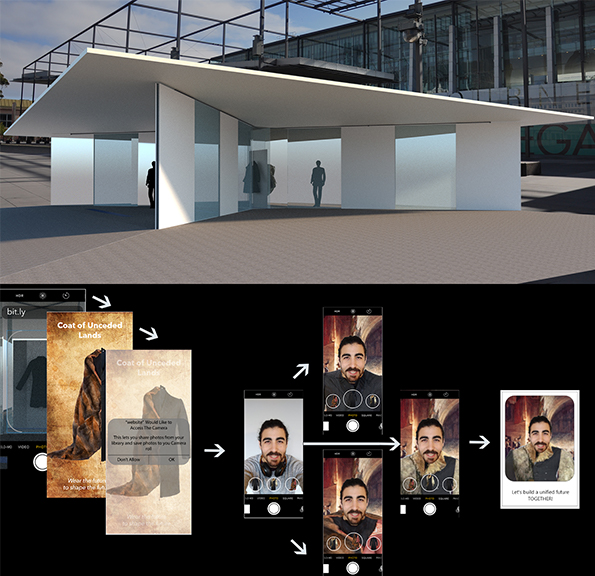
COAT OF UNCEDED LANDS Ankita Suresh, Sukanya Deshmukh, Prottoy Chandra
|
||
|